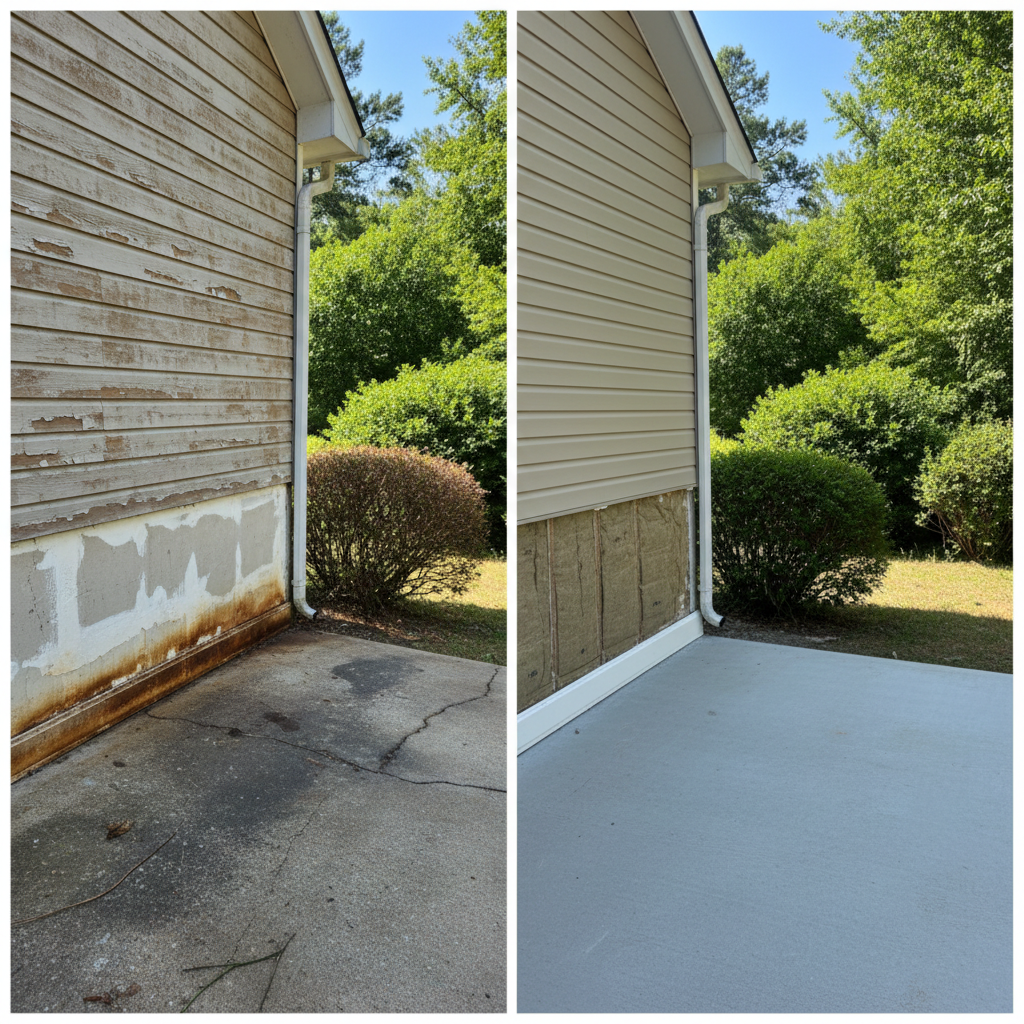
Nobody wants to see their home underwater. Whether it's a burst pipe, a leaky roof, or heavy rains like we sometimes get around here, flood damage is a nightmare. Once the water's out, the big question hits you: do you try to save what's there, or do you just rip it all out and replace it? It's a tough call, and I've seen folks go both ways. Let's talk about what really makes sense for homes right here in Lexington, NC.
Option 1: Repairing Flood-Damaged Materials
When I talk about 'repairing,' I mean drying out, cleaning, and sanitizing materials that haven't been completely destroyed. This usually applies to things like drywall, insulation, subflooring, and sometimes even cabinets if they're not too far gone.
The Good Side of Repair:
- Cost: Often, this is the cheaper route upfront. You're paying for labor, specialized drying equipment, and cleaning supplies, not all new materials. If only the bottom foot or so of drywall is wet, for instance, we can cut that out, dry the studs, treat for mold, and patch it up.
- Time: Generally, repairs can be quicker. You're not waiting for new materials to be ordered and delivered, and the installation process is usually less involved than a full tear-out.
- Less Waste: It's more environmentally friendly, if that's something you care about. You're not sending a ton of debris to the landfill.
The Downside of Repair:
- Hidden Damage: This is my biggest worry with repairs. You might dry out the surface, but if moisture is trapped behind walls or under floors, you're setting yourself up for mold, mildew, and structural issues down the road. You can't always see everything, and even with the best equipment, it's a gamble sometimes.
- Durability: Even if successfully dried, some materials might not have the same integrity they did before. Wood can warp, drywall can become brittle, and insulation can lose its R-value if it's compressed or damaged.
- Appearance: Matching textures and paint colors perfectly can be a challenge. You might end up with a noticeable patch, especially if the original materials were older.
- Mold Risk: If you don't get everything bone dry and treated within 24-48 hours, mold will start to grow. It's not a maybe; it's a certainty. And once it's there, it's a whole new ballgame.
Option 2: Full Tear-Out and Replacement
This is where we remove all affected materials – drywall, insulation, flooring, baseboards, sometimes even framing – down to the studs. We clean and dry the structure thoroughly, then rebuild.
The Good Side of Replacement:
- Peace of Mind: This is huge. You know for sure that all the wet, contaminated materials are gone. You're starting fresh with clean, dry surfaces. This dramatically reduces the risk of future mold growth or lingering odors.
- Durability and Longevity: You're putting in brand new materials. They'll have their full lifespan, and you won't have to worry about compromised integrity.
- Appearance: Everything will look brand new. You can even take the opportunity to upgrade materials or change the aesthetic of the room.
- Health and Safety: No lingering mold spores, no hidden moisture. This is especially important for folks with allergies or respiratory issues.
The Downside of Replacement:
- Cost: There's no getting around it; replacing everything is usually more expensive upfront. You're paying for demolition, debris removal, and all new materials, plus the labor to install them.
- Time: It takes longer. Demolition, drying, and then rebuilding from scratch is a multi-step process that can take weeks, depending on the scope.
- Disruption: Your home will be a construction zone for a while. It's not ideal, but sometimes it's necessary.
My Recommendation for Lexington Homeowners
Here's the deal: I've been doing this for a long time, and I've seen what works and what doesn't, especially with our humid summers and the way some of these older Lexington homes are built. My strong recommendation, almost every single time, is to go with a full tear-out and replacement for anything that's been significantly saturated.
Why? Because the risks of mold and hidden damage with a repair are just too high. You might save a few bucks now, but if you're dealing with a nasty mold problem six months down the road, you'll wish you'd done it right the first time. Mold remediation is expensive, and it's a health hazard no one needs.
Think about it: if your house flooded, that water often brings in all sorts of contaminants. You don't want that stuff just dried out and sealed behind a new coat of paint. You want it gone. Especially in older homes with plaster walls or original hardwood floors, the water can wick up and spread in ways you don't expect.
At Guardian Restoration Solutions, we always prioritize your family's health and the long-term integrity of your home. We'll always give you an honest assessment. If it's a small, clean water leak and we can guarantee a complete dry-out, we'll tell you. But for anything more serious, don't mess around. Tear it out, clean it thoroughly, dry it completely, and rebuild it right. It's the only way to truly get your peace of mind back.