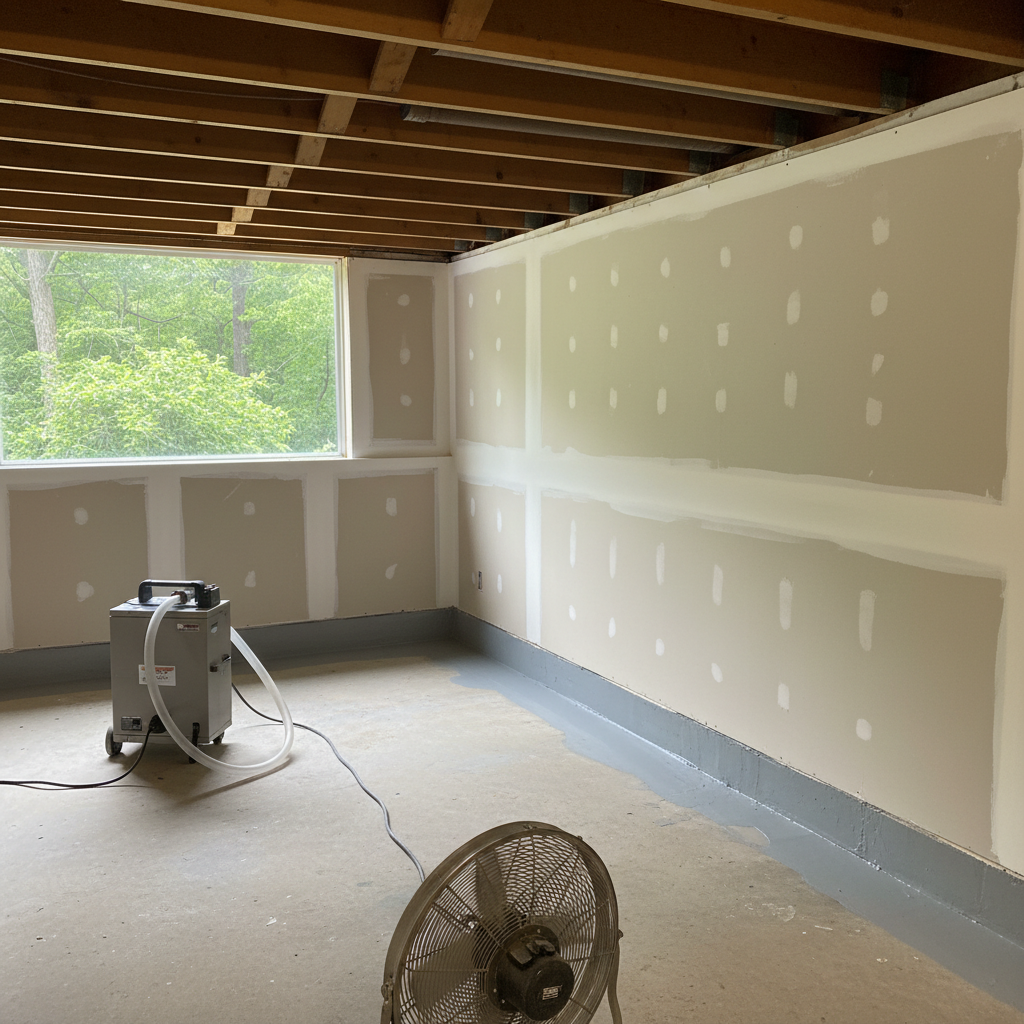
So, you’ve dealt with a mold problem. Maybe it was a leaky pipe under the kitchen sink, or maybe that crazy humid summer we had last year just got the better of your crawl space. Whatever the cause, you’ve invested in getting it cleaned up right, and that’s a smart move. But here’s the thing: mold remediation isn't a one-and-done magic spell. It's a reset button. To keep your home healthy and mold-free, especially here in Lexington with our often-damp climate, you've got to have a plan for what comes next.
Extending the Life of Your Mold Remediation Work
You’ve paid good money to get rid of that nasty stuff, so you want to make sure it stays gone. The biggest thing you can do to protect your investment is to control moisture. Mold needs water to grow, plain and simple. If you cut off its water supply, it can’t thrive.
- Fix leaks immediately. I can't stress this enough. A tiny drip under a sink can turn into a major mold issue faster than you'd think. Check your plumbing regularly, especially in those hidden spots like under cabinets, around toilets, and in the attic.
- Improve ventilation. Bathrooms, kitchens, and laundry rooms are prime spots for moisture buildup. Use exhaust fans when showering, cooking, or drying clothes. If you don't have one, consider installing one. Good airflow helps dry out surfaces before mold can take hold.
- Manage humidity. Our summers here in Davidson County are notoriously humid. Aim to keep indoor humidity levels below 60%, ideally between 30-50%. A good dehumidifier, especially in basements or crawl spaces, can be your best friend. Make sure it's sized correctly for the space and that you empty it regularly, or better yet, get one that drains automatically.
- Ensure proper drainage around your foundation. Water pooling near your house is an open invitation for moisture to seep into your crawl space or basement. Make sure your gutters are clean and directing water at least six feet away from your foundation. Sloping the ground away from your house also helps a ton.
Regular Maintenance: Your Mold Prevention Checklist
This isn't about scrubbing every inch of your house daily, but rather adopting a few habits that make a big difference.
- Inspect your home quarterly. Take a walk around your house, inside and out. Look for water stains on ceilings, walls, or floors. Check for musty odors, which are a dead giveaway for hidden mold. Peek into your crawl space if you have one – that’s a common problem area in older Lexington homes.
- Clean and dry wet areas promptly. If you spill something, clean it up. If a pipe leaks, fix it and dry the area within 24-48 hours. That's the critical window before mold spores really start to germinate.
- Maintain your HVAC system. Change your air filters regularly, as recommended by the manufacturer. A dirty filter can restrict airflow and increase humidity. Consider having your ducts cleaned periodically, especially if you've had a significant mold issue.
- Keep an eye on your crawl space. If you have a vented crawl space, consider encapsulation. It’s a bigger investment upfront, but it’s one of the most effective ways to control moisture and prevent mold in our climate. If encapsulation isn't in the cards right now, make sure the ground is covered with a vapor barrier and that there’s no standing water.
Warning Signs That Mold Might Be Back
Even with the best intentions, mold can sometimes sneak back in. Knowing what to look for can help you catch it early.
- The Smell: This is often the first sign. If you start noticing a persistent musty, earthy smell, especially in a particular area, it's time to investigate. It’s that damp, old-basement smell, even if it's not coming from your basement.
- Visible Growth: Of course, if you see black, green, or white fuzzy patches on walls, ceilings, or other surfaces, that's a clear sign. Don't just paint over it; that won't solve the underlying problem.
- Water Stains or Discoloration: New or expanding water stains on walls, ceilings, or floors, even if they appear dry, can indicate a hidden leak or moisture issue that could be fostering mold.
- Health Symptoms: If you or your family members start experiencing unexplained allergy-like symptoms – sneezing, coughing, itchy eyes, skin irritation, or respiratory issues – especially when you're at home, it might be related to indoor air quality and potential mold growth.
When to Call a Professional (Like Us)
You’re not expected to be a mold expert, that’s my job. While you can handle small surface mold with household cleaners, there are definitely times when you need to bring in the pros.
- If the moldy area is larger than 10 square feet. That’s roughly a 3x3 foot patch. Anything bigger than that, and you risk spreading spores and not getting to the root of the problem safely.
- If you suspect hidden mold. You smell it, but you can't see it. This means it's likely behind walls, under flooring, or in other concealed areas. We've got the tools and experience to find it without tearing your house apart unnecessarily.
- If you or anyone in your household has health concerns. People with allergies, asthma, or compromised immune systems are more sensitive to mold. Don't take chances with their health.
- If it's related to contaminated water. If the mold growth is from sewage backup or floodwaters, that's