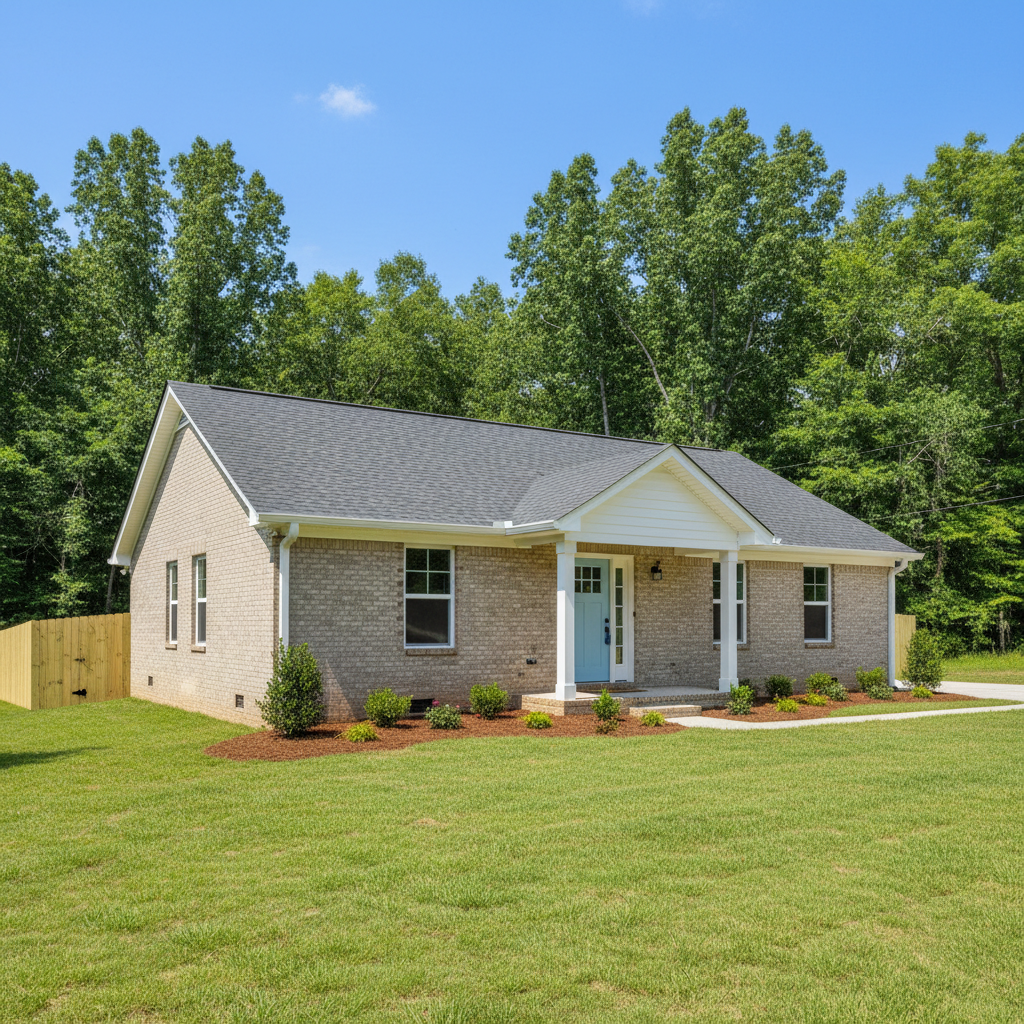
Flood Damage Restoration Costs in Lexington, NC: The Real Deal
Nobody wants to deal with flood damage. It’s messy, stressful, and often, you’re left wondering how much it’s all going to cost. I’ve seen my share of flooded basements and living rooms across Lexington, from the older homes near Main Street to the newer builds out towards High Rock Lake. When your home takes on water, especially from an external source like a burst creek or heavy rains, you're not just looking at cleanup; you're looking at a full restoration job. So, what's that going to run you?
Look, there's no single price tag for flood restoration. It's not like buying a gallon of milk. But I can give you a solid idea of what factors come into play and what you can expect to pay, based on what we do here at Guardian Restoration Solutions and what I’ve seen others charge.
What Makes Flood Restoration Costs Go Up or Down?
A few big things really move the needle on the final bill:
The Category of Water: This is a huge one. Floodwater is almost always Category 3 water, or 'black water.' That means it's highly contaminated. Think sewage, river water, ground surface water – it's got bacteria, viruses, and all sorts of nasty stuff. You can't just dry this out and call it a day. Porous materials like drywall, carpet, and insulation that have touched black water? They're gone. They have to be removed and disposed of properly. This makes it more expensive than, say, a clean water pipe leak.
How Much Water and How Long It Sat: A few inches of water for an hour is one thing. A foot of water sitting for a couple of days while you were out of town is a whole different ballgame. The more water, and the longer it's been there, the more materials will be affected, and the higher the risk of mold growth. This means more demolition, more drying equipment, and more time.
The Size of the Affected Area: Pretty straightforward, right? A flooded crawl space is different from a flooded entire first floor. The square footage needing work directly impacts labor, equipment, and material costs.
Type of Materials Affected: Hardwood floors are generally more salvageable than carpet, but they take specialized drying. Drywall is cheap to replace but needs to be cut out. Custom cabinetry or built-in shelving can be tricky and expensive to restore or replace.
Accessibility: Is it an easy-to-reach basement or a tight crawl space under an old Lexington bungalow? Harder access means more time and effort for our crews, which adds to labor costs.
Mold Remediation: If the water sat long enough, or if the humidity wasn't controlled quickly, mold is almost a given. Mold remediation is a separate, specialized process that adds significant cost, often involving air scrubbing, containment, and specialized cleaning agents.
Typical Cost Ranges for Flood Damage Restoration
Alright, let's get down to some numbers. Again, these are ranges, but they're based on real jobs we've done:
Small, Contained Flood (e.g., burst water heater in a utility room, quickly addressed): For something like a small utility room or bathroom where the water was clean, and it was caught fast, you might be looking at $1,500 to $4,000. But for floodwater (Category 3), even a small area will start at $3,000 and can go up to $7,000 because of the necessary demolition and biohazard protocols.
Moderate Flood (e.g., one flooded room, 1-3 inches of black water): If you've got a single room, say a living room or bedroom, with a few inches of black water, you're probably in the $7,000 to $15,000 range. This would include water extraction, removal of affected drywall, flooring (carpet, pad, maybe subfloor), baseboards, drying equipment for several days, and anti-microbial treatments. This doesn't include reconstruction, just the drying and mitigation.
Large Flood (e.g., multiple rooms, significant depth, or prolonged saturation): For bigger jobs, like a whole basement or a significant portion of a main floor with several inches of black water, you could be looking at $15,000 to $30,000 or more just for the initial cleanup and drying. If mold has set in, add another $5,000 to $15,000+ on top of that for remediation. Remember, these are mitigation costs. Rebuilding comes after.
These numbers don't include putting your home back together – new flooring, new drywall, painting, etc. That's a separate phase, often covered by the 'dwelling' portion of your homeowner's insurance.
What Should Be Included in a Detailed Quote?
When you get a quote from a reputable company like Guardian Restoration Solutions, it shouldn't just be a single number. You want to see a breakdown. Here's what we typically include:
Emergency Service Call: Getting a crew out fast.
Water Extraction: Removing standing water.
Demolition & Debris Removal: Tearing out unsalvageable materials (drywall, insulation, flooring) and hauling it away.
Drying Equipment Rental: Air movers, dehumidifiers, air scrubbers – listed by type and duration.
Moisture Mapping & Monitoring: Regular checks with specialized equipment to ensure everything is drying properly.
Anti-Microbial Treatment: To prevent mold and bacterial growth.
Containment: Setting up barriers to prevent contamination spread, especially with black water.
Labor Costs: For technicians, usually broken down by hours or project phase.
Disposal Fees: For contaminated materials.
Daily Site Visits: To adjust equipment and monitor progress.
A good quote will also clearly state what's NOT included, like reconstruction costs, personal property cleaning, or contents manipulation (moving furniture). Make sure you understand every line item.
How to Avoid Overpaying for Flood Restoration
Nobody wants to get fleeced when they're already stressed. Here's how to protect your wallet:
Act Fast: This is the single biggest money-saver. The quicker you get the water out and the drying process started, the less damage occurs, and the less likely you are to have mold. Every hour counts.
Get Multiple Quotes: Don't just go with the first company that shows up. Get at least two, preferably three, detailed quotes. Compare apples to apples. If one quote is drastically lower, be wary – they might be cutting corners.
Check Credentials: Make sure the company is IICRC certified (Institute of Inspection, Cleaning and Restoration Certification). This means they've got the training and knowledge to do the job right. Ask for proof of insurance, too.
Understand Your Insurance: Call your insurance company immediately. Understand your coverage, your deductible, and what they expect from you. They'll likely want to send an adjuster, but don't wait for them to start mitigation. Most policies require you to prevent further damage.
Ask Questions: Don't be afraid to ask the contractor to explain anything you don't understand in the quote or the process. A good contractor will take the time to educate you.
Avoid Cash-Only Deals: If someone insists on cash and won't provide a detailed invoice, run the other way. This is a huge red flag.
Dealing with flood damage is tough, but knowing what to expect and how to navigate the costs can make it a little less painful. We're here in Lexington to help you through it if you ever need us.