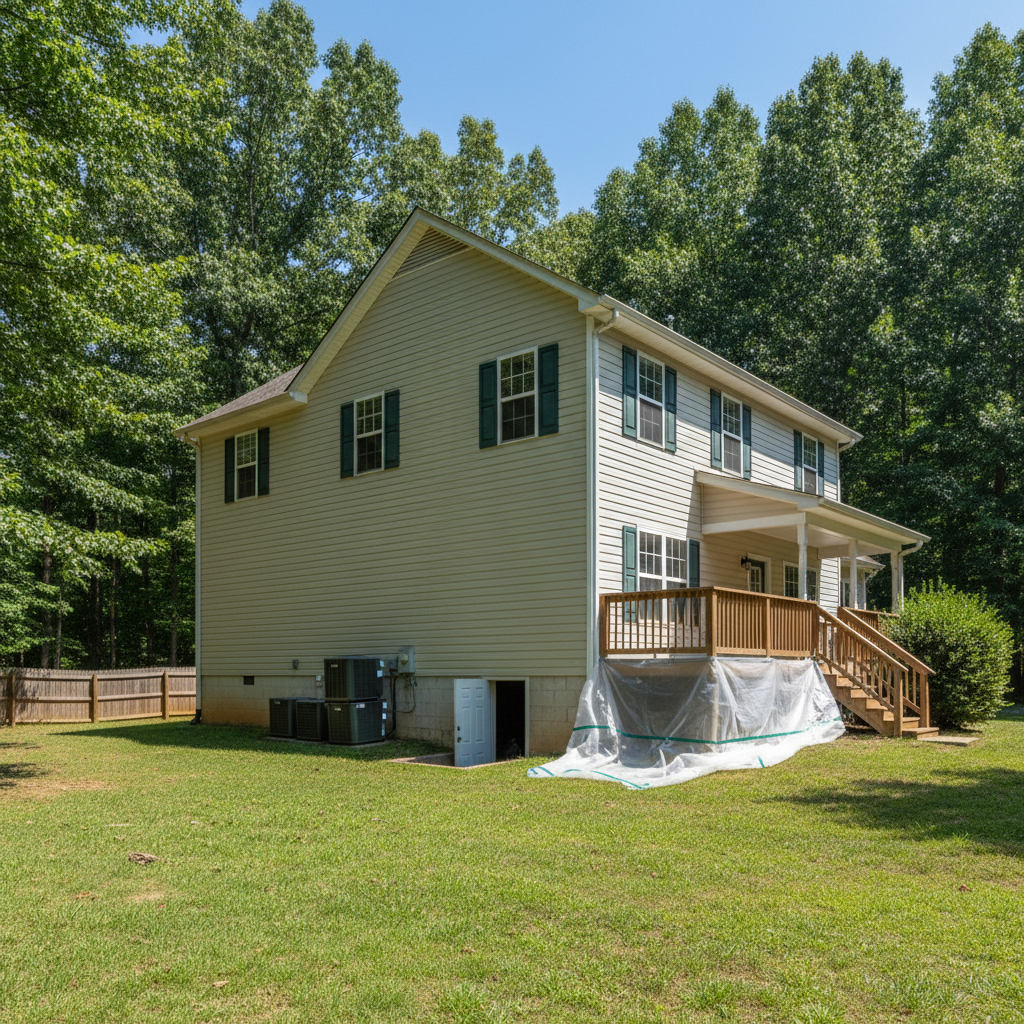
Mold. It’s a word that makes most homeowners cringe, and for good reason. Here in Lexington, NC, we deal with it more than folks in drier climates, that’s for sure. I’ve been in this business a long time, and I’ve seen firsthand how our local weather patterns can make mold a persistent problem if you’re not careful. It’s not just about cleaning up water damage; it’s about understanding the conditions that let mold thrive and how to beat it.
When's the Best Time for Mold Remediation?
You might think there’s a 'best' time to deal with mold, like some kind of annual spring cleaning. The truth is, if you find mold, the best time to deal with it is right now. Don't wait. Mold spores are always present in the air, but they only become a problem when they find moisture and a food source. Once they start growing, they won't stop on their own.
That said, certain times of year can make the remediation process a bit smoother or highlight why you need it. Our summers here are hot and humid, right? That's prime mold growth season. If you've had a leak or a flood during the summer, mold can take hold incredibly fast – sometimes in as little as 24-48 hours. By the time fall rolls around, if those issues weren't fully addressed, you could have a much bigger problem brewing behind walls or under floors. So, if you suspect mold after a particularly damp summer, getting it checked out in early fall before things cool down too much is smart. You want to nip it in the bud before it gets cozy for winter.
Winter can be tricky too. You'd think the cold would kill it, but that's not always the case. We often see condensation issues in older homes, especially those with crawl spaces that aren't properly sealed. That trapped moisture, combined with the warmth from your heating system, creates a perfect little incubator for mold. So, while you might not be thinking about mold in December, it could be quietly growing in your attic or crawl space.
How Lexington Weather Affects the Work
Our local climate dictates a lot about how we approach mold remediation. During those sweltering summer months, when the humidity is constantly high, we have to be extra diligent with our drying and dehumidification protocols. We're not just drying out the affected materials; we're also fighting against the ambient humidity trying to creep back in. It means longer drying times and more powerful equipment to get the job done right. If you're in a neighborhood like Westover or Greenhill Park, where some of the homes are older and might not have the best insulation or vapor barriers, this is especially true. We see a lot of moisture intrusion in those areas.
Conversely, in the drier, cooler months, the air itself helps us out a bit. It’s easier to achieve and maintain lower humidity levels indoors, which speeds up the drying process. But even then, we can't cut corners. Proper containment, air scrubbing, and removal of contaminated materials are non-negotiable, no matter the season. The goal is always the same: eliminate the mold, prevent its return, and restore your home to a healthy state.
Protecting Your Investment Year-Round
You’ve put a lot into your home, and protecting it from mold is a big part of protecting that investment. Here’s what you can do:
- Manage Humidity: This is probably the biggest one. Aim for indoor humidity levels between 30-50%. A good dehumidifier in damp areas like basements or crawl spaces can make a huge difference, especially during our humid summers. Run your AC in the summer; it helps pull moisture out of the air.
- Fix Leaks Immediately: A dripping pipe, a leaky roof, or even a slow toilet leak can quickly lead to mold growth. Don't put off repairs. Check under sinks, around appliances, and in your attic regularly.
- Ensure Proper Ventilation: Exhaust fans in bathrooms and kitchens are there for a reason – use them! They pull moisture-laden air out of your home. If your crawl space is damp, consider adding a vapor barrier and proper ventilation.
- Keep Gutters Clean: Clogged gutters can cause water to overflow and pool around your foundation, potentially leading to leaks in your basement or crawl space. It’s a simple chore that prevents big problems.
- Watch for Condensation: If you see condensation on windows, pipes, or walls, it’s a sign of excess humidity. Address the source before mold gets a foothold.
Look, mold isn't something you want to mess around with. It can damage your home, and more importantly, it can impact your family's health. If you suspect you have a mold problem, don't try to tackle it with a bottle of bleach. That usually just spreads the spores and doesn't address the root cause. Give us a call at Guardian Restoration Solutions. We're here in Lexington, and we know these homes and this climate. We'll come out, assess the situation, and give you an honest plan to get your home back in shape. It's what we do.