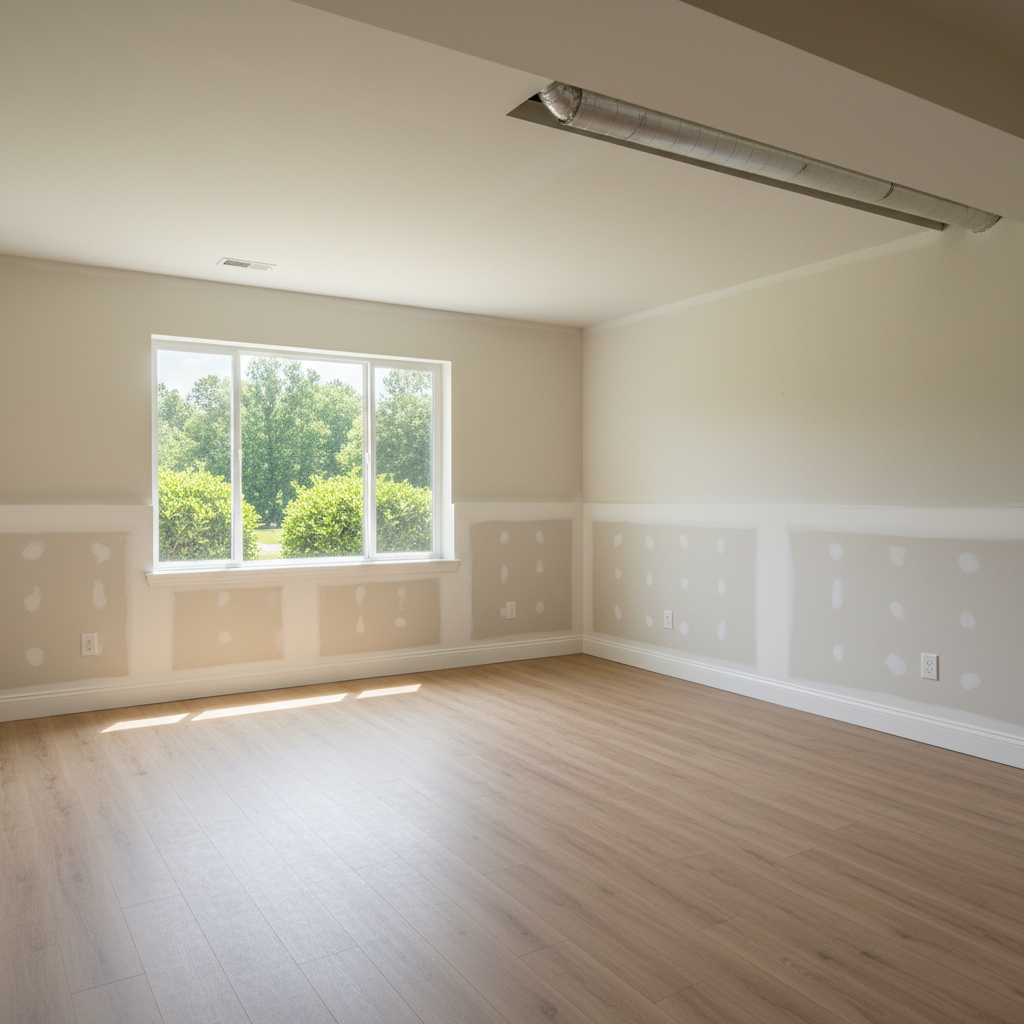
You've got water where it shouldn't be. Maybe it's a leaky pipe, a busted water heater, or a storm that pushed water right into your living room. Whatever it is, your first thought is probably, “How do I fix this, and how fast?” That's a good instinct, but rushing into things or picking the wrong approach can cost you a lot more than just money down the line. I've been doing this a long time here in Lexington, and I've seen folks make some pretty common, and often expensive, mistakes when they're dealing with water damage cleanup. Let's talk about how you can avoid them.
Mistake #1: Thinking You Can Handle It All Yourself
I get it. You're handy, you've watched a few YouTube videos, and you figure a wet/dry vac and some fans will do the trick. For a tiny spill that you catch immediately, maybe. But for anything more significant, you're playing with fire. The biggest danger isn't just the visible water; it's the moisture that seeps into walls, under floors, and into insulation. If you don't get it all dried out properly and quickly, you're setting yourself up for mold growth. And trust me, mold remediation is a whole different ballgame, way more expensive and a lot more disruptive than just drying things out right the first time. We're talking about health risks, too. Don't underestimate how quickly mold can take hold, especially with our humid summers here in Davidson County.
Mistake #2: Hiring the Cheapest Guy with a Truck
When you're stressed, it's natural to look for the cheapest option. But in water damage, 'cheap' often means 'cut corners.' You might find someone who gives you a lowball quote, but they might not have the right equipment, the proper training, or the insurance to back up their work. They might not even know about the specific building codes or environmental regulations we have around here. I've seen folks end up with lingering moisture problems, shoddy repairs, or even more damage because they went with an uninsured, unqualified outfit. Always ask for proof of insurance, certifications (like IICRC), and references. A reputable company like Guardian Restoration Solutions will be transparent about all that.
Mistake #3: Delaying Action
Time is absolutely critical when it comes to water damage. Every hour that water sits, the damage gets worse. Materials absorb more moisture, mold starts to grow, and structural integrity can be compromised. I've seen folks wait a day or two, thinking it'll dry out on its own, especially after a heavy rain. By the time they call us, what could have been a relatively straightforward dry-out has turned into a major tear-out and rebuild project. Don't procrastinate. As soon as you discover water damage, get professional help on the way. The faster you act, the less damage and less cost you'll incur.
Mistake #4: Not Documenting Everything
This one is huge, especially if you're dealing with insurance. Before anyone touches anything, take pictures and videos of everything. Get wide shots of the affected areas, then close-ups of specific damage. Document the water lines, damaged furniture, soaked carpets – everything. Keep detailed notes of when the damage occurred, who you called, and what advice they gave. This documentation is your best friend when you're filing a claim. Without it, your insurance company might push back on certain items, leaving you to pay out of pocket.
Mistake #5: Forgetting About the Source of the Water
It sounds obvious, right? But sometimes in the rush to clean up, people forget to make sure the original problem is actually fixed. If a pipe burst, was it just patched, or was the whole faulty section replaced? If your roof leaked, was it a temporary fix, or did you address the underlying issue that caused the leak in the first place? You don't want to go through all the trouble and expense of drying out your home only to have the same problem pop up again a few weeks or months later. A good restoration company will help you identify the source and recommend solutions, even if it's not part of their direct cleanup work.
Dealing with water damage is stressful, but by avoiding these common mistakes, you can save yourself a lot of headaches, money, and future problems. When in doubt, call a professional. It's always better to be safe than sorry.