You've got water where it shouldn't be. It's a mess, it's stressful, and it usually happens at the worst possible time. I've been helping folks in Lexington deal with water damage for years, and I know you've got questions. Not the easy ones, but the real nitty-gritty stuff that keeps you up at night. So, let's get into it. Here are some of the toughest questions I get asked, and my honest answers.
How quickly does mold actually start growing after water damage?
This is a big one, and it's probably what most people worry about first, right after the initial shock wears off. The truth is, mold can start growing a lot faster than you think. We're talking 24 to 48 hours. That's it. You don't need standing water for days; just elevated moisture levels in materials like drywall, carpet, or wood. Mold spores are everywhere, all the time, floating around in the air. Give 'em moisture, a food source (which is pretty much any organic material in your house), and a comfortable temperature, and they'll take off. That's why quick action is so critical. The faster you get things dried out, the less chance mold has to establish itself.
What's the difference between 'drying' and 'dehumidifying,' and do I need both?
Yeah, you absolutely need both. They're related but do different jobs. 'Drying' is about removing the bulk water and then using air movers (those big fans you see us set up) to evaporate moisture from wet surfaces and materials. Think of it like blowing on a wet spot to make it dry faster. 'Dehumidifying' is about removing that evaporated moisture from the air itself. If you just dry things with fans, you're essentially just moving the moisture from the materials into the air inside your home. Without dehumidifiers, that moisture just hangs around, raising the humidity, and then it can condense back onto cooler surfaces, making everything wet again or creating new problems. So, air movers get the water out of materials, and dehumidifiers get the water out of the air. You need both working together to get your home truly dry and prevent secondary damage.
Can I really save my hardwood floors, or are they always a goner?
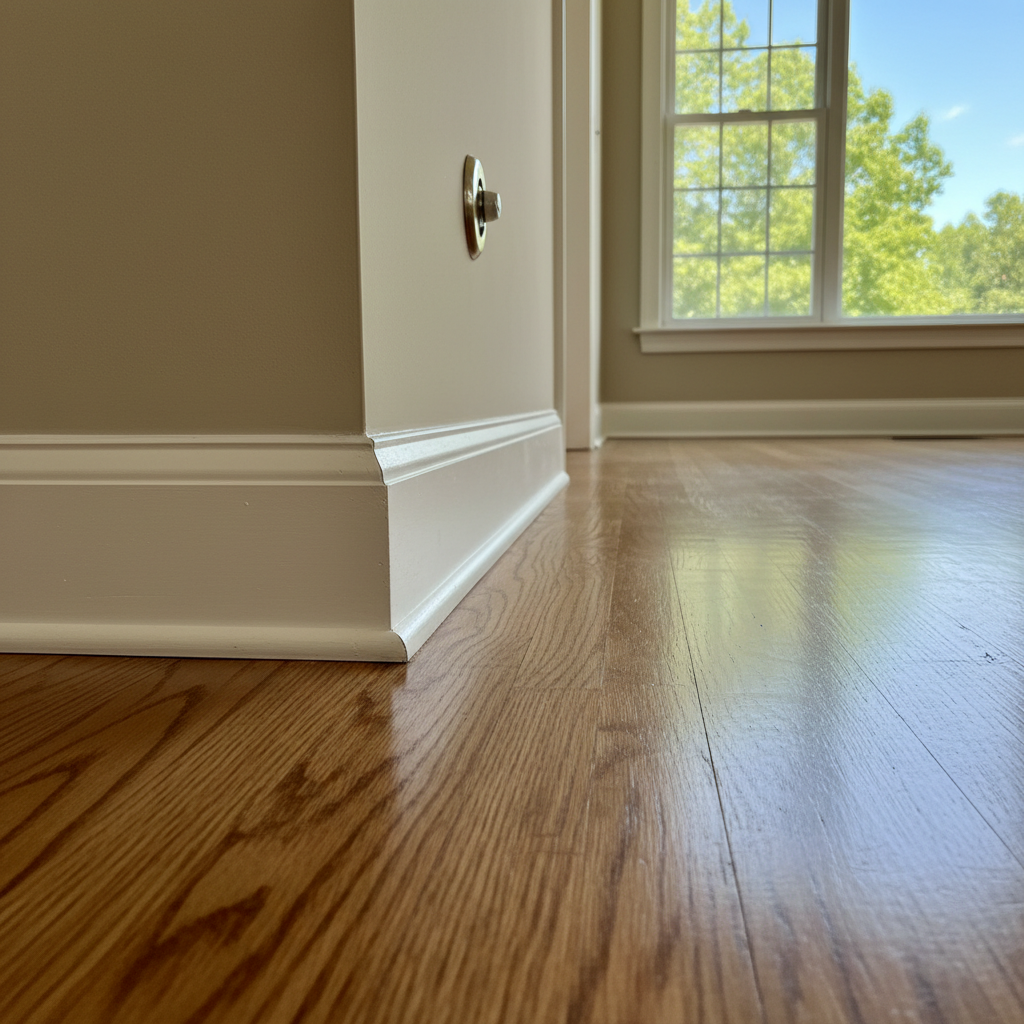
It depends, but it's not always a lost cause. Hardwood floors are tricky because wood is porous and absorbs water. The extent of the damage really dictates what's possible. If it was a small, contained leak and we get to it fast, sometimes we can save them. We use specialized drying mats and negative air pressure systems that pull moisture directly out of the wood. It's a slow process, and it takes careful monitoring. If the water sat for too long, or if the subfloor is also saturated, you'll likely see cupping, crowning, or buckling that's too severe to fix without replacement. Sometimes, even if we dry them, they might never look quite the same, or you might have issues with warping later on. We'll always give you an honest assessment of whether drying is a viable, long-term solution or if replacement is the smarter move.
My insurance company wants me to get three estimates. Is that really necessary for emergency work?
That's a common request from insurance companies, and it makes sense for non-emergency repairs. But for water damage, especially if it's significant, it's an emergency. Time is money, and more importantly, time is mold. Waiting around for two or three different contractors to come out, assess, and give you a detailed estimate means more time for mold to grow, more damage to occur, and ultimately, a higher overall cost. Most insurance companies understand this. What they really want is a fair price and proper documentation. If you call Guardian Restoration Solutions, we'll get out there fast, start the mitigation process, and work directly with your insurance adjuster to provide all the necessary documentation and a detailed scope of work. We're usually on their approved vendor lists anyway. Don't let a request for multiple bids delay essential emergency cleanup.
What's 'category 3' water, and why is it such a big deal?
Okay, so water damage gets classified into categories based on its source and potential health risks. Category 1 is 'clean water' – like from a burst pipe or overflowing sink. Category 2 is 'gray water' – like from a washing machine overflow or a toilet bowl (without feces). Category 3 is 'black water,' and that's the really nasty stuff. This comes from sewage backups, floodwaters (especially here in Lexington after a heavy rain, when runoff can pick up all sorts of contaminants), or any water that's been sitting long enough to become contaminated. It contains harmful bacteria, viruses, fungi, and other pathogens. You absolutely cannot handle Category 3 water yourself without proper personal protective equipment. It's a serious health risk. Materials contaminated with Category 3 water usually can't be saved and have to be removed and disposed of safely. It requires specialized cleaning and disinfection protocols to make sure your home is safe again.
Once everything's dry, is the job really done, or is there more to it?
Drying is a huge part of it, but no, the job isn't always done just because things feel dry. Once we've removed the water, dried out all the affected materials, and confirmed everything is back to normal moisture levels using specialized meters, that's when the 'remediation' phase transitions into 'restoration.' This means putting your home back together. It could be as simple as reinstalling baseboards or as complex as replacing entire sections of drywall, flooring, and repainting. If there was mold, we'd have done the mold remediation first, which involves containment, removal, and cleaning. Then, after everything is dry and clean, we move to the rebuild. So, 'dry' is a critical milestone, but it's often just the end of the first big step in getting your home completely back to normal.
How long does the whole process usually take, from start to finish?
That's like asking 'how long is a piece of string,' but I get why you're asking. It really varies wildly based on the extent of the damage, the type of water, and what materials were affected. The initial mitigation and drying phase, where we get the water out and dry everything, usually takes anywhere from 3 to 7 days. That's if we're working efficiently and the conditions are right. For bigger jobs, especially if we're dealing with a lot of saturated structural components or Category 3 water, it can take longer. Then, once everything is dry, the 'reconstruction' or 'restoration' phase begins. This could be a few days for minor repairs, or several weeks, even months, for major rebuilds. Think about how long it takes to replace a kitchen or bathroom – that's the kind of timeline we're talking about for significant water damage. We'll always give you a clearer estimate once we've had a chance to assess your specific situation.