So, you've got water where it shouldn't be. Maybe it's a burst pipe, a leaky appliance, or a nasty storm that pushed water into your crawl space. Whatever it is, it's a mess, and you're probably feeling overwhelmed. I get it. I've seen countless homes in Lexington, from the older places in the historic district to the newer builds out towards High Rock Lake, deal with this kind of sudden chaos. The good news is, you can get through this, and having a plan makes all the difference. Let's talk about what that looks like.
The Immediate Aftermath: Your First 24-48 Hours
Once you've stopped the water source and made sure everyone's safe, the clock starts ticking. This isn't something you can put off. Water damage gets worse fast, leading to mold growth and structural issues if not addressed quickly. Your first call should be to a professional water damage restoration company. Don't try to dry everything out yourself with a few fans; you'll miss hidden moisture, I guarantee it.
When we get there, we'll do an initial assessment. This involves figuring out the category of water (clean, gray, or black – makes a huge difference in how we handle it) and the class of water damage (how much material is saturated). We'll use specialized equipment, like moisture meters and thermal cameras, to find all the wet spots, even the ones you can't see. This is crucial for a complete cleanup.
What to Expect During the Cleanup Process
Every job is a little different, but there's a general flow you can expect. After the initial assessment, here's what usually happens:
- Water Extraction: We'll use powerful pumps and vacuums to remove standing water. The more water we get out quickly, the less damage everything sustains.
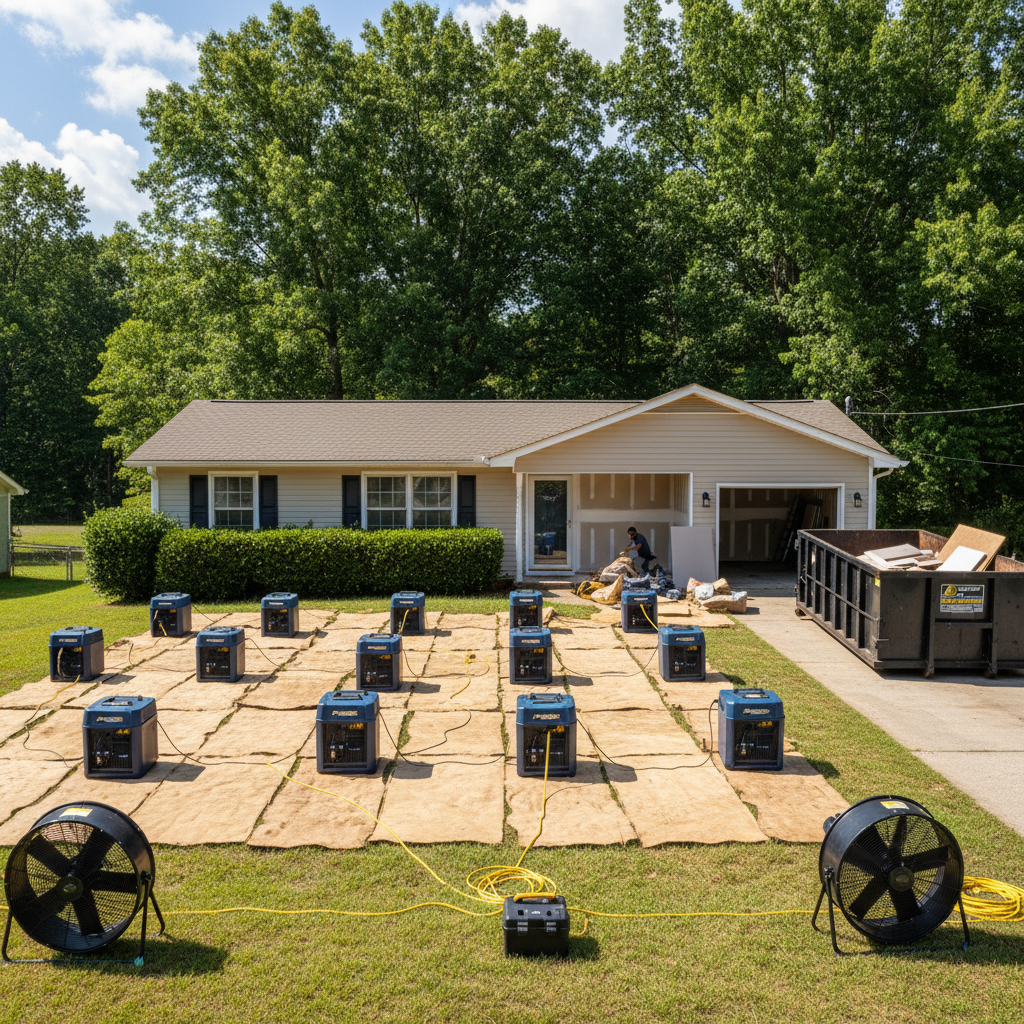
- Demolition and Removal: Unfortunately, some things just can't be saved. Wet drywall, insulation, carpeting, and sometimes even subflooring will need to be removed. We'll explain exactly what needs to go and why. This might feel drastic, but it's essential to prevent mold and further structural issues.
- Drying and Dehumidification: This is where the heavy-duty equipment comes in. We'll set up industrial-grade air movers and dehumidifiers. These run 24/7 to thoroughly dry out the affected areas. It's going to be loud, and your power bill might be a bit higher for a few days, but it's non-negotiable for proper drying. We monitor moisture levels daily to ensure everything is drying correctly.
- Cleaning and Sanitizing: Once dry, we clean and sanitize all salvageable surfaces. This is especially important for gray or black water incidents, where contaminants are a real concern. We're not just making it look clean; we're making it safe.
- Restoration and Repairs: This is the final stage, where we rebuild what was removed. This could be replacing drywall, installing new flooring, painting, or more extensive structural repairs. Sometimes, we handle this in-house, and other times, we'll coordinate with trusted local contractors.
The whole process, from that first call to the final repair, can take anywhere from a few days for a small leak to several weeks for a major flood. It really depends on the scope of the damage.
How to Get Ready for the Crew
While you're waiting for us to arrive, there are a few things you can do to help us hit the ground running:
- Safety First: Turn off electricity to the affected areas if it's safe to do so. Watch out for slip hazards.
- Move Belongings: If you can, move furniture, rugs, and other personal items out of the wet areas. If they're already wet, don't try to dry them yourself; just get them out of the standing water.
- Document Everything: Take photos and videos of the damage before anything is moved or cleaned. This is vital for your insurance claim.
- Contact Insurance: Get in touch with your insurance company right away. They'll want to know what's happening.
- Ask Questions: Don't hesitate to ask us anything. We're here to help you understand the process.
Questions to Ask Before Signing a Contract
Before you commit to any company, make sure you're comfortable with them. Here are some key questions you should ask:
- Are you licensed and insured? Don't even consider working with someone who isn't. This protects both you and them.
- Do you offer direct billing to insurance? Most reputable companies, like us at Guardian Restoration Solutions, do. It makes the financial side a lot smoother for you.
- What's your estimated timeline for the project? Get a realistic idea of how long each phase will take.
- What's included in your estimate? Make sure you understand what you're paying for and if there are any potential extra costs.
- How do you handle mold prevention? Any good company will have a clear plan for this.
- What kind of equipment do you use? You want to hear about professional-grade air movers, dehumidifiers, and moisture detection tools.
- Can you provide references? A company that's proud of its work will be happy to share.
- Who will be my main point of contact? It's good to know who to call with questions throughout the process.
Dealing with water damage is stressful, but with a clear plan and the right professionals, you'll get your home back to normal. We've helped plenty of folks right here in Lexington navigate these tough situations, and we're ready to help you too.